Possible side effects of laser hair removal and how to take care of skin after treatment
Laser hair removal aftercare focuses on calming the skin and protecting it from heat and sun.
Ditching the razor for good is an enticing prospect. For millions of people, laser treatments offer a long-term solution to unwanted body hair, saving countless hours and eliminating the hassle of waxing or shaving. However, when planning your journey toward permanent smoothness, understanding the Possible side effects of laser hair removal and how to take care of skin after treatment is just as crucial as finding the right clinic.
While the procedure is highly effective and generally safe when performed by a certified professional, the process involves directing concentrated heat into your hair follicles. Naturally, your skin will have a reaction. Being well-informed about what to expect-and how to pamper your skin afterward-ensures a safe, comfortable, and bump-free recovery.
Understanding Common Laser Hair Removal Side Effects
Any cosmetic procedure comes with a few caveats. Most laser hair removal risks are incredibly minimal, but knowing what is typical will give you peace of mind.
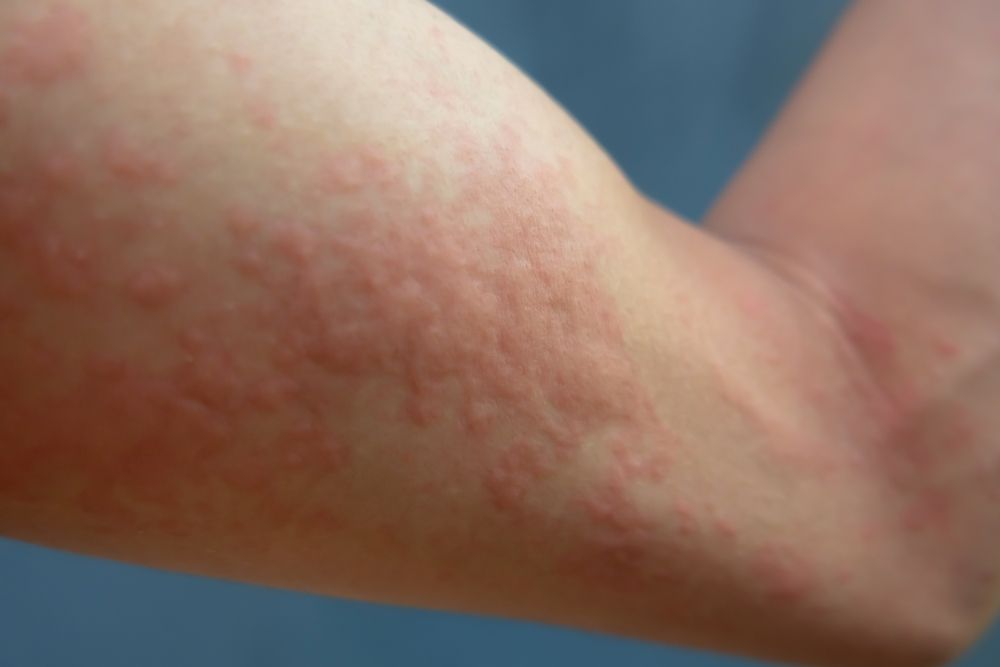
Immediately after you leave the clinic, you will likely experience mild laser hair removal side effects, such as:
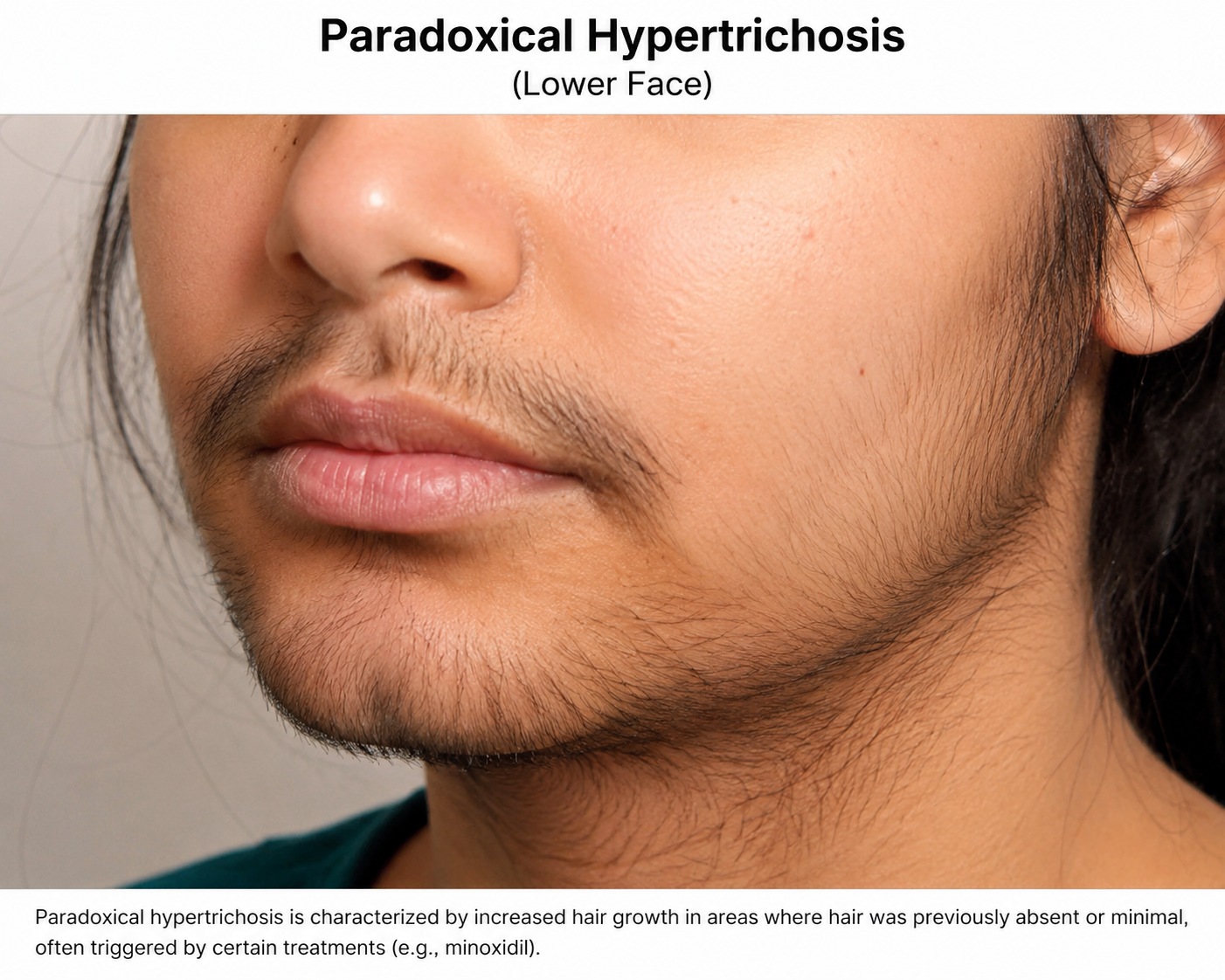
Erythema (Redness): Your skin may look and feel like it has a mild sunburn.
Erythema is the medical term for temporary redness caused by heat-related inflammation and increased blood flow to the area.Perifollicular Edema: Experiencing itching and bumps after laser session is incredibly common. These tiny raised bumps around the hair follicles mean the laser successfully targeted the hair root.
Edema simply means swelling; perifollicular edema is localized swelling around each hair follicle.Mild Sensitivity: The treated area may feel tender to the touch for a few hours.
Seeing laser flashes, even with eye covers
Some people notice brief flashes of light during treatment, even while wearing the provided protective eye covers. This is typically normal: many energy-based devices can create a perceived 'flash because light can scatter through the eyelids or surrounding tissues, and the brain interprets it as a visual sensation. However, you should not feel eye pain, and you should not have persistent vision changes-if either occurs, tell your provider immediately.
Debunking the Big Myth
When researching treatments online, it is not uncommon to see search queries regarding laser hair removal side effects cancer. To set the record straight: there is absolutely no medical evidence linking laser hair removal to skin cancer. The lasers used in these treatments emit non-ionizing radiation, meaning they merely produce heat to destroy the hair follicle. They do not carry the high-frequency energy (like UV rays or X-rays) capable of mutating cellular DNA.
Normal vs Abnormal Laser Skin Reactions
To protect your health, you must be able to identify normal vs abnormal laser skin reactions. While temporary redness and slight swelling are perfectly normal, severe pain, heavy crusting, or persistent blisters are not. If your skin begins to blister severely or peel aggressively, these could be signs of laser hair removal burns, which require immediate medical evaluation by a dermatologist.
Immediate Aftercare: Calming the Skin
The first 24 to 48 hours following your appointment are critical for recovery. Prioritizing gentle care goes a long way toward soothing laser hair removal skin irritation.
If you are wondering how to reduce redness after laser, start with straightforward cooling techniques for laser hair removal. Applying a clean, cold compress or an ice pack wrapped in a soft cloth for 10-15 minutes can drastically reduce heat and inflammation. Never apply ice directly to bare skin, as this can cause frostbite on an already compromised skin barrier.
When deciding on topical treatments, many patients debate aloe vera vs hydrocortisone for laser irritation.
Aloe Vera: This is your best first line of defense. Keep pure, alcohol-free aloe vera gel in your refrigerator and apply it liberally to cool the skin naturally.
Pure aloe vera gel: Look for short ingredient lists and avoid added alcohol, fragrance, or dyes.
Aloe-based, fragrance-free moisturizer: A lightweight lotion with aloe can add hydration once the initial heat settles.
Chilled aloe sheet mask: If your skin tolerates it, a simple, fragrance-free aloe mask can feel soothing (stop if it stings).
Aloe + humectants: Products combining aloe with glycerin or hyaluronic acid can help support the moisture barrier.
Hydrocortisone: If you are dealing with stubborn, severe itching or persistent inflammation that aloe cannot soothe, an over-the-counter 1% hydrocortisone cream can be used sparingly for a day or two.
Antihistamine Medication: Consult with your care provider first before taking any medication.

Crafting Your Post-Laser Hair Removal Skincare Routine
Once the initial redness subsides, maintaining a proper post-laser hair removal skincare routine is essential for optimal healing and flawless results.
What to Avoid After Laser Treatment
For at least 48 hours after your session, you need to treat your skin like it is highly sensitive. Knowing exactly what to avoid after laser treatment prevents unnecessary complications:
Heat exposure: Skip the hot showers, saunas, steam rooms, and hot tubs. Wash with lukewarm water instead.
Tight clothing: Friction can aggravate treated follicles. Wear loose, breathable cotton fabrics.
Scented products: Avoid heavy lotions, perfumes, and deodorants (if you had your underarms lasered) for at least 24 hours.
When to Exfoliate
Your skin needs time to heal before you resume your normal beauty regimen. You must pay close attention to chemical exfoliation timing after laser. Wait a minimum of one to two weeks before applying active ingredients like AHAs (glycolic or lactic acid), BHAs (salicylic acid), or retinoids to the treated area. Exfoliating too soon strips the skin barrier and invites severe irritation.
Managing Long-Term Skin Health and Complications
Even with the best preparation, occasional bumps in the road can happen. Two of the most common post-laser hurdles are hyperpigmentation and infected follicles.
Managing hyperpigmentation from laser treatment requires patience. Sometimes, the trauma of the heat causes the skin to darken (post-inflammatory hyperpigmentation). This is particularly common in individuals with deeper skin tones. To mitigate this, keep the skin deeply moisturized and strictly avoid the sun. The dark marks usually fade on their own over several weeks, but your dermatologist can prescribe gentle brightening creams if necessary.
Another issue to watch for is bacterial infection of the hair follicle. Treating folliculitis after laser hair removal involves keeping the area meticulously clean. If you develop a cluster of whitehead-like bumps, resist the urge to pop them. Wash the area with a gentle antibacterial soap, apply a warm compress, and wear loose clothing. If it does not clear up within a few days, consult your clinic.
Lifestyle Adjustments: Sweat and Sun
Your daily habits play a massive role in how well you recover from your sessions.
Many fitness enthusiasts ask when to resume exercise after laser. It is highly recommended to wait 24 to 48 hours before engaging in strenuous, sweat-inducing workouts. Sweat contains bacteria, and when it sits on sensitive, freshly lasered skin, it creates a perfect breeding ground for folliculitis and rashes.
Finally, the golden rule of laser hair removal: avoiding sun exposure post laser. The laser makes your skin highly photosensitive, meaning you are much more susceptible to sunburns and permanent hyperpigmentation. Stay out of direct sunlight for at least two weeks following your appointment. If you must be outside, applying a thick layer of broad spectrum sunscreen for laser skin (SPF 30 or higher) is non-negotiable. Look for mineral sunscreens containing zinc oxide or titanium dioxide, as these sit on top of the skin and are less likely to irritate freshly treated follicles than chemical sunscreens.
The Takeaway
Laser hair removal is a fantastic investment in your personal care routine. By understanding the risks, knowing the difference between normal healing and abnormal reactions, and sticking to a gentle, sun-protected skincare regimen, you can ensure a safe and highly effective treatment. Treat your skin with kindness, respect the healing process, and enjoy the long-lasting, smooth results you deserve.