
Pico® Pigment Treatment Before & After Care
Review what to do before and after your Pico® Pigment Treatment appointment.
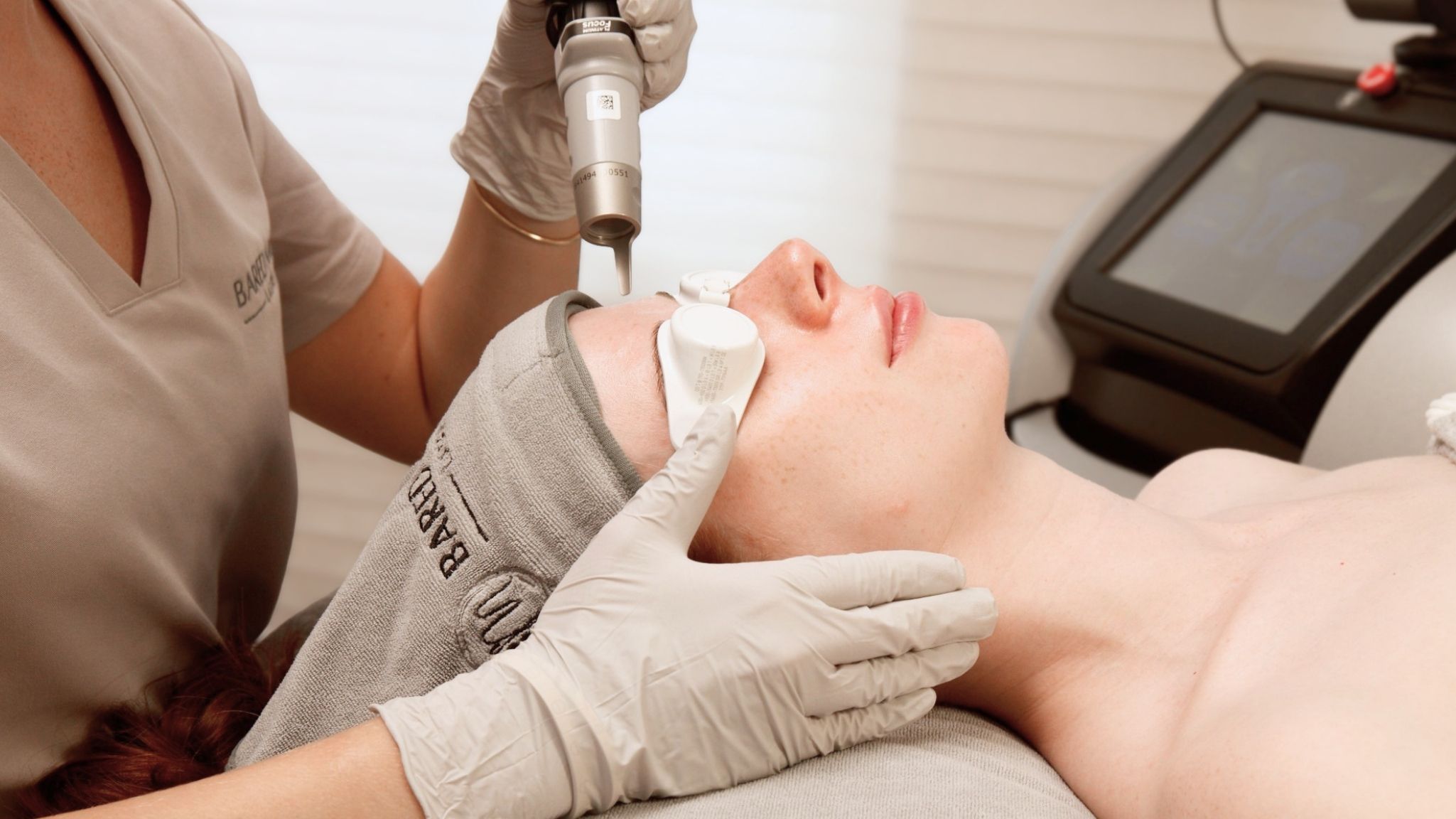
Pre Laser Treatment Checklist
Key timing and preparation steps to review before a laser appointment.
6 months before
Avoid Accutane
4 weeks before
Avoid photosensitive medications (i.e. Antibiotic, Doxycycline, Tricyclic antidepressants, Quinidine, Amiodarone, St. John Wort etc.)
Avoid sun exposure, tanning beds, self tanner such as creams or spray.
2 weeks before
Refrain from getting Botox/ Filler on the same treatment site.
1 week before
Avoid skin irritants (i.e. Products contain tretinoin, retinol, benzoyl peroxide, AHA, BHA, vitamin C/L-ascorbic acid, astringents, etc.)
Avoid Anticoagulants
24 hours before
For male facial treatment, Ensure the treatment area is clean-shaven one day prior to your appointment.
If you have a history of Herpes Simplex Virus or cold sores, you must premedicate one day prior to treatment to prevent further outbreaks.
Please inform your technician if you become pregnant or you have any changes to your health history or medication since your last appointment.
Day of treatment
For facial treatment: Refrain from applying makeup, lotion, cream, serum, oil, or perfume on the day of your treatment.
For body treatment: Avoid applying body lotions, oils, perfumes, and deodorants, and remove any jewelry from the areas to be treated beforehand.
Please inform your technician if you have ever had tattoos or cosmetic pigmentation or permanent makeup applied near the area of treatment.
Laser Treatment Post Care
To achieve the best results, please follow the aftercare steps below:
What to expect after treatment:
A mild sunburn-like sensation may occur during the first few hours after treatment.
Mild to moderate redness and swelling are common and typically resolve within 24 hours.
Temporary dehydration and a mild inflammatory response may cause the skin to appear slightly dull during the first week. As healing progresses, radiance gradually returns, revealing a brighter, more even complexion.
Smaller, well-defined dark spots (surface pigmentation): Targeted superficial pigmentation may temporarily appear more prominent before gently flaking off within the first week as the skin renews. In some cases, slight pigment rebound may occur after healing—this is a normal response and will continue to improve over time. Brightening skincare can help support and accelerate this process.
Larger, softer, or lighter pigmentation (deeper pigmentation): These spots typically do not form scabs and instead fade gradually over 4–6 weeks as pigment is naturally broken down and cleared by the body over time.
Mild purging (temporary breakouts) may occur due to the skin’s natural inflammatory response. Any breakouts typically subside within 2–3 weeks. With continued treatments, the skin adapts and breakouts become less likely.
To support a smooth and speedy recovery and ensure the best results, please follow the aftercare steps below
TO DO
Keep It Clean
For the first 12 hours after treatment, cleanse the skin using distilled water/saline water only to avoid irritation. Gently pat dry, do not rub. After 12 hours, you can use a gentle cleanser. Always maintain good hygiene to avoid breakouts or infection.Moisturize Gently
For 5-7 days post-treatment, apply a soothing, non-comedogenic moisturizer (e.g., EltaMD, CeraVe, La Roche-Posay) twice daily.Hydrate Inside & Out
Drink plenty of water and consider using a hydrating sheet mask every night or every other night for the first week to restore moisture.For Sensitive or Dry Skin
Introduce serums with niacinamide, hyaluronic acid, glycerin or peptides to help strengthen the skin barrier and support healing.For Pigmentation Concerns
Starting 3-7 days after treatment, use brightening ingredients like Vitamin C, retinoids, kojic acid, azelaic acid, or tranexamic acid. Discontinue use 5 days before your next session to avoid sensitivity.Resume Routine in 5-7 Days
After 5-7 days, you can return to your regular skincare products and daily activities.Sun Protection Is a Must (Minimum 2 Weeks)
Limit sun exposure and apply SPF 50+ broad-spectrum sunscreen daily. Reapply every 2 hours when outdoors.
NOT TO DO
Avoid heat and sweating (24-48 Hours)
Skip intense exercise, hot showers, baths, saunas, and hot tubs. Activities that raise your body temperature may increase redness, swelling, or irritation.No makeup (24-48 Hours)
Allow your skin time to breathe and recover. If you have sensitive skin, consider waiting a bit longer. Listen to your skin - healing comes first.Pause exfoliants (3-7 Days)
Hold off on products containing retinol, salicylic acid, glycolic acid, lactic acid, vitamin C, hydroquinone, or benzoyl peroxide to prevent over-sensitizing the skin.Avoid irritants on the skin (2 weeks)
No waxing, depilatories, scrubs, washcloths, or Clarisonic brushes. These may disrupt the healing process.Avoid alcohol-based products (1 Week)
Skincare or cosmetics with alcohol can dry and irritate the skin. Stick to alcohol-free options.Do not pick or rub
If you notice flaking or light scabbing (common with spot or resurfacing treatments), let it heal naturally. Picking can cause irritation, scarring, or pigmentation.Do not pick pimples
Some mild breakouts may occur due to increased cell turnover. Let them resolve naturally to avoid post-inflammatory hyperpigmentation.
If you notice any side effects that seem abnormal or are not listed here, please contact us immediately.